
Indigenisation and Sustainable Business | Defence |
Indigenisation & Sustainable Business in Defence and Shipbuilding
What if the strength of a nation could be measured not just by its military power, but by how sustainably and independently it builds that power? Indigenisation in defence and shipbuilding is no longer just a strategic choice—it is an economic, environmental, and technological necessity.
The Need for Indigenisation
Indigenisation refers to developing and manufacturing defence equipment within the country, reducing dependence on imports. For nations like India, this shift strengthens national security, boosts domestic industries, and creates employment opportunities.
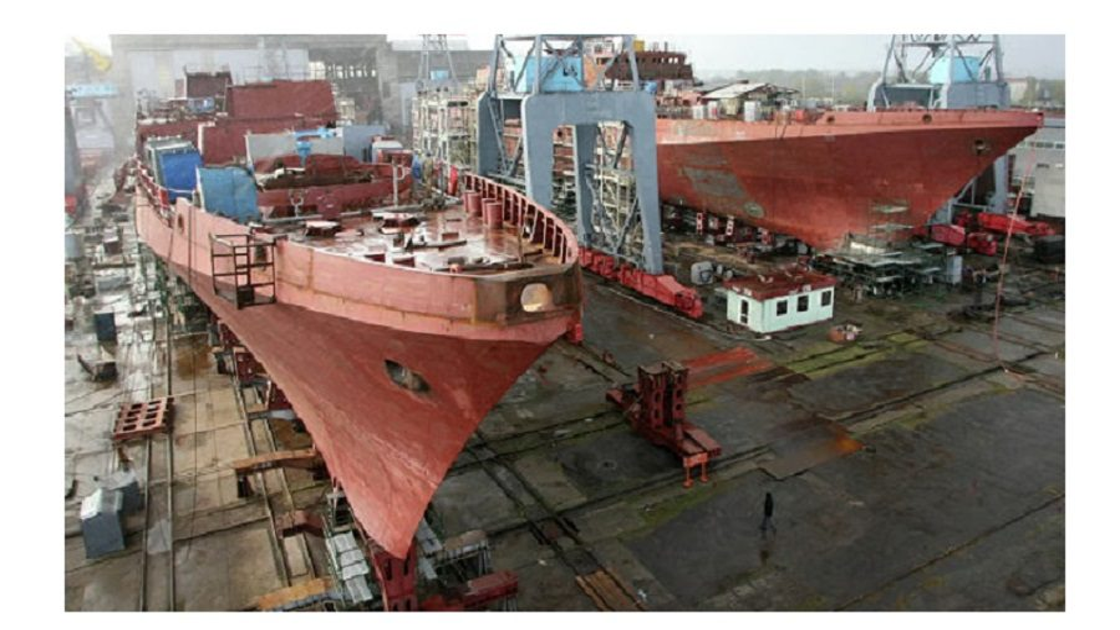
In shipbuilding, indigenisation ensures that critical naval assets—from warships to submarines—are designed, built, and maintained domestically. This not only enhances operational readiness but also fosters innovation within local ecosystems.
Sustainability in Defence Manufacturing
Traditionally, defence manufacturing has been resource-intensive. However, modern sustainable practices are transforming the sector. From energy-efficient shipyards to eco-friendly materials, sustainability is becoming a core focus.
- Adoption of green manufacturing processes
- Use of renewable energy in shipyards
- Reduction in carbon emissions through efficient design
- Recycling and reuse of materials
Sustainable defence is not just about environmental responsibility—it also leads to long-term cost efficiency and resilience.
Shipbuilding: A Strategic and Sustainable Opportunity
Shipbuilding stands at the intersection of defence, trade, and sustainability. Modern shipyards are integrating digital technologies like automation, AI, and smart design systems to improve efficiency and reduce waste.
Additionally, green shipbuilding focuses on:
- Designing fuel-efficient vessels
- Using low-emission propulsion systems
- Incorporating lifecycle sustainability from construction to decommissioning
Economic and Strategic Impact
Indigenisation in defence and shipbuilding has far-reaching economic benefits. It strengthens the supply chain, encourages MSME participation, and promotes exports. Countries that invest in domestic capabilities often emerge as global leaders in defence production.
Strategically, it reduces vulnerability to global disruptions and geopolitical risks, ensuring that critical defence needs are met without external dependencies.
The Role of Policy and Innovation
Government initiatives, policy reforms, and public-private partnerships play a crucial role in driving this transformation. Incentives for domestic manufacturing, research funding, and ease of doing business encourage innovation and investment.
Startups and private players are increasingly contributing with cutting-edge technologies, making the ecosystem more dynamic and competitive.
Challenges to Overcome
Despite progress, challenges remain:
- High initial investment costs
- Technology gaps and skill shortages
- Long development cycles
- Global competition
Addressing these challenges requires collaboration between government, industry, and academia.
The Way Forward
The future of defence and shipbuilding lies in balancing indigenisation with sustainability. By embracing innovation, adopting green practices, and strengthening domestic capabilities, nations can build a resilient and responsible defence ecosystem.
Indigenisation is not just about self-reliance—it is about shaping a future where security, sustainability, and economic growth go hand in hand.
Conclusion:
A sustainable and indigenised defence sector is the foundation of a strong and future-ready nation. As technology evolves and global challenges intensify, the focus must remain on building capabilities that are not only powerful but also responsible and enduring.
